
Switch to an eSIM Card Now Before Your Next Trip
Imagine landing in a new country and instantly connecting to a local network without swapping a physical SIM. An eSIM is a fully embedded digital SIM that lets you activate a cellular plan directly from your device’s settings. You simply scan a QR code or download a carrier profile, and your phone switches carriers in seconds. This built-in chip eliminates the need for plastic cards, freeing up space and making multi-line management effortless.
What Is an eSIM and Why Does It Matter
An eSIM is a permanently embedded, programmable chip in your device that replaces the physical plastic SIM card. It matters because it lets you activate a cellular plan digitally without needing a physical card. You can store multiple carrier profiles and switch between them via software, which is ideal for travelers who want to avoid swapping tiny cards or hunting for local shops.
Think of it as a virtual SIM tray you control from your phone’s settings, eliminating the risk of losing, damaging, or damaging a physical card.
Activation is instant by scanning a QR code, and it frees up the physical SIM slot for a secondary line, giving you flexible dual-network capability on a single device.
Breaking Down the Embedded SIM Technology
Breaking Down the Embedded SIM Technology reveals a fundamental shift from plastic to silicon. Unlike a removable plastic SIM, an eSIM is a tiny, soldered chip inside your device. This chip is rewritable, allowing you to download a carrier profile directly to it rather than inserting a physical card. The core advantage is seamless remote provisioning, meaning you switch networks or add a plan through software, not hardware. This eliminates the need to fumble with trays or wait for a physical card to arrive, making the entire activation process instant and entirely digital.
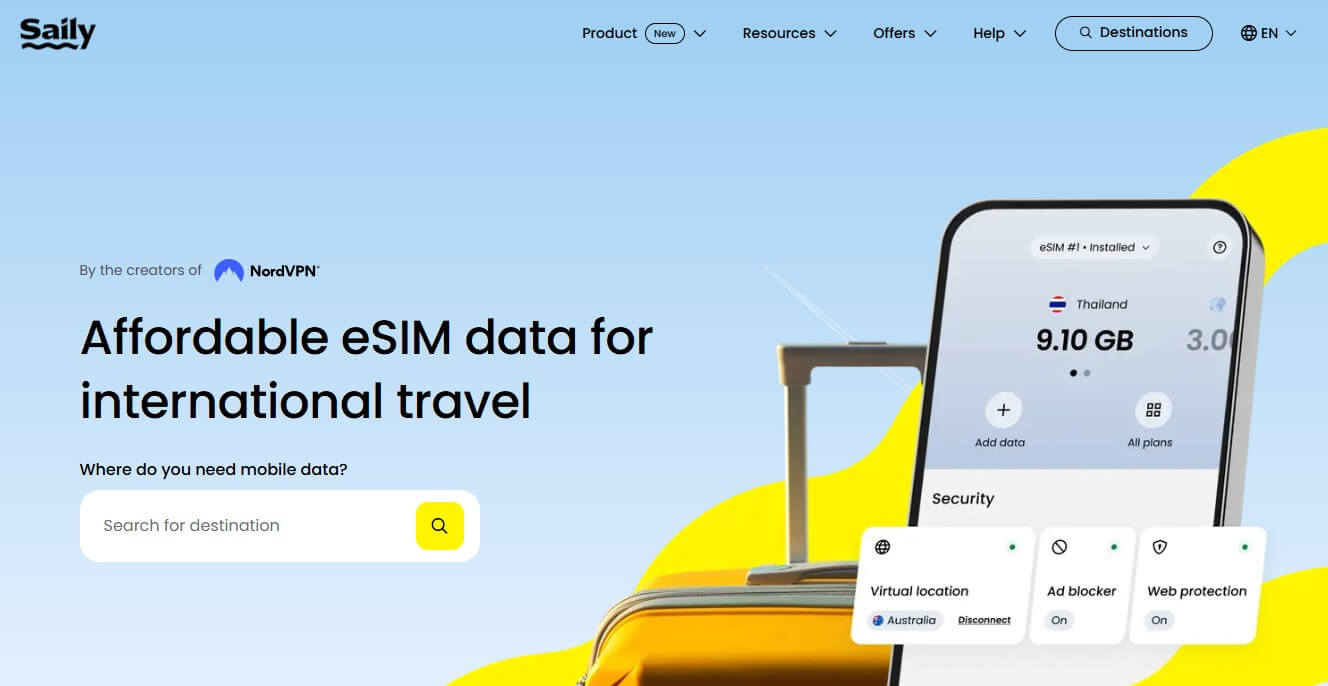
Q: Does an embedded SIM technology work without an internet connection?
A: No, an active internet connection via Wi-Fi or another cellular network is required initially to download the carrier profile to the embedded chip.
How This Digital Chip Differs From a Physical SIM
An eSIM is a permanent, soldered chip inside your phone, unlike a physical SIM you can pop out. You don’t need to hunt for a tiny card or worry about losing it. Instead, you download a profile directly onto the device, which makes switching carriers as simple as scanning a QR code or tapping in an app. The key difference is that an eSIM is embedded and rewritable, allowing you to store multiple plans at once. You can easily toggle between them, perfect for travel or separate work lines.
- Remove the physical tray entirely from your phone.
- Scan a carrier’s QR code to instantly activate a new line.
- Switch between stored profiles in settings without swapping cards.
The Core Benefits of Going SIM-Free
Ditching the physical SIM unlocks instant carrier flexibility, letting you switch networks in seconds via an app instead of waiting for a plastic card to arrive. It eliminates the hassle of finicky tray ejections and losing those tiny chips while traveling. A single device can hold multiple profiles, so you can juggle a primary home number with a local data plan abroad without swapping cards. This setup frees your SIM slot for an extra eSIM or leaves it empty to boost water and dust resistance. Going SIM-free means your phone number becomes a purely software-driven tool, ready to adapt to your needs on the fly.
How to Activate and Set Up Your Digital Profile
To activate your eSIM, begin by scanning the QR code provided by your carrier in your phone’s cellular settings, or by manually entering the activation details. This immediately downloads your digital profile, but verifying it often requires a stable Wi-Fi connection to avoid hiccups. After installation, label the new plan clearly (e.g., “Travel Line”) so you can toggle between profiles for data or calls. Under “Default Voice Line,” set your primary number, then assign the eSIM for cellular data only. Test with a quick browser search to confirm connectivity, and remember to delete old profiles from your phone’s settings to avoid confusion. This setup empowers you to switch plans without swapping a physical card.
Scanning a QR Code for Instant Connectivity
To activate your eSIM, scanning a QR code is the fastest method for instant cellular connectivity. After purchasing an eSIM plan, you simply open your device’s settings, select “Add Cellular Plan,” and point your camera at the provided QR code. This triggers an automatic download of your mobile profile, configuring your network access without needing a physical card. This streamlined process works best when your device is connected to Wi-Fi, ensuring the profile downloads without interruption. Within seconds, your digital profile is live, granting immediate data and voice services.
Scanning a QR code transforms a complex setup into a one-second action, seamlessly linking your device to a new network.
Manual Entry Options for Network Configuration
For eSIM activation, manual entry options for network configuration allow you to input APN settings directly when automatic provisioning fails. You typically access a “Mobile Network” or “Cellular” menu in your device’s settings, then select “Add APN” or “Access Point Names.” Enter the exact APN name, username, and password provided by your carrier or eSIM profile. After saving, you must select this new APN as active. This method bypasses QR code scanning or app-based setups, enabling precise control over the data path.
Switching Between Multiple Plans Without a Tray
Switching between multiple plans without a tray is a defining advantage of eSIM technology. In your device’s settings menu, you can instantly toggle between stored profiles without physically swapping a SIM card. This is managed through a dedicated “Cellular Plans” or “Mobile Data” section, where each eSIM profile is listed. Selecting an active profile for voice, SMS, or data is a single tap away. For travel, you might keep a home plan active for calls while enabling a local data-only eSIM for internet access. Streamlined carrier switching eliminates the need to carry spare SIMs or eject a tray. Dual-SIM-Dual-Standby (DSDS) functionality allows two profiles to run concurrently.
- Activate a secondary eSIM profile while keeping your primary plan dormant.
- Assign specific eSIMs to voice, data, or messages independently.
- Switch default data line between profiles in under 30 seconds.

Compatible Devices and Carriers Around the World
An eSIM’s global utility hinges entirely on device and carrier compatibility. eSIM compatible devices include recent iPhone models (XR and newer), Google Pixel phones (3a and newer), select Samsung Galaxy flagships (S20 series onward), and advanced smartwatches like the Apple Watch Series 5. For carriers, compatibility is vast but not universal. Major providers like AT&T, T-Mobile, Vodafone, and Deutsche Telekom offer full eSIM support, while over 200 global carriers now provide eSIM activation for prepaid or postpaid plans. Before traveling, verify that your specific smartphone model is unlocked and supports eSIM profiles for your destination, as budget carriers in regions like Southeast Asia or Latin America may lack support. Always check official carrier whitelists or device settings for a “Add Cellular Plan” option.
Smartphones, Tablets, and Wearables That Support It
Most modern flagship smartphones, tablets, and wearables that support eSIM include models like the iPhone 14 series (US models), Google Pixel 7 and newer, and Samsung Galaxy S20 series onward. For tablets, the iPad Pro and iPad Air are common picks, while wearables like the Apple Watch Series 5 and later use eSIM for cellular connectivity. Before buying, check your device’s settings for an “Add Cellular Plan” option to confirm support.
- Open the device’s settings menu and look for “Cellular” or “Mobile Data.”
- Select “Add eSIM” to start activation with a carrier QR code or app.
- Follow the on-screen prompts to download your plan.
Leading Mobile Operators Offering Digital SIM Services
Many of the world’s largest telecom giants now provide instant eSIM activation directly through their apps. For seamless travel, operators like T-Mobile, Vodafone, and Orange let you scan a QR code to add a local data plan without swapping physical cards. AT&T and Deutsche Telekom similarly push over-the-air profiles for their postpaid and prepaid customers. Singapore’s Singtel and Japan’s NTT Docomo also offer native eSIM support, letting you grab a regional plan before you land. Just check your device’s compatibility, then choose any of these leading carriers for a truly digital, hassle-free connection abroad.
Regional Availability and Roaming Restrictions
Regional availability means your eSIM might only work in certain continents or countries, so check the provider’s coverage map before you buy. Roaming restrictions can block data when you move outside a plan’s designated region, like using a Europe-only eSIM in Asia. Always verify the allowed zones to avoid unexpected dead spots. Some eSIMs tie data to specific countries, so hopping too fast between them can trigger limits.
- Regional eSIMs often exclude top roaming destinations like Japan or Australia.
- Roaming restrictions may cap high-speed data once you cross a border.
- A multi-region plan is needed if you travel across continents without pausing.
- Check if the eSIM allows tethering abroad, as some restrict hotspot use while roaming.
Comparing eSIM vs. Physical SIM for Travel and Daily Use
Swapping a physical SIM for a tiny plastic tray at midnight in a foreign airport became a ritual I no longer miss. With an eSIM for travel, I land and activate a local data plan in seconds, avoiding the hunt for a shop or the risk of losing my home card. For daily use, the physical SIM feels rigid—locked to one carrier unless you juggle trays. My eSIM lets me keep my primary number active while testing a secondary provider for better coverage, all without ejecting anything. The storytelling shifts: no more fumbling with a paperclip at a café counter, just a tap on my screen to switch networks as I move between cities and home.
Dual SIM Capabilities on a Single Device
The key advantage of dual SIM capabilities on a single device lies in managing multiple lines without swapping cards. An eSIM acts as a secondary line alongside a physical SIM, letting you maintain a home number for bank verification or messaging apps while using a local data plan from a foreign carrier. You can assign the eSIM for all mobile data and keep the physical SIM for calls and texts, preventing roaming charges. This arrangement allows instant network switching via settings menus, eliminating the physical act of removing a card. It is especially practical for travelers who need temporary local connectivity while preserving their primary number active.
Security Advantages of a Non-Removable Module
A non-removable eSIM module offers significant security advantages by physically eliminating the vulnerability of SIM theft or swap fraud. Since the module is soldered directly to the device’s motherboard, an attacker cannot simply remove it to gain access to your mobile identity or use it in another phone to bypass two-factor authentication. This design inherently prevents SIM cloning attempts that exploit physical access to a removable card. The embedded eSIM also resists physical tampering, as any attempt to extract it often destroys the chip, rendering the profile unusable.
- Eliminates risk of SIM card theft or physical loss during travel.
- Prevents unauthorized SIM swapping for account hijacking.
- Removes the vulnerability of a removable chip being read or cloned.
Battery and Space Savings in Modern Hardware
By eliminating the physical SIM tray, modern hardware design reclaims precious internal real estate, enabling either a slimmer chassis or a larger battery within the same footprint. This space saving directly translates to improved energy reserves, as manufacturers can allocate the vacated volume to a higher-capacity cell. Consequently, eSIM adoption contributes to enhanced device endurance without increasing bulk. The absence of a power-draining SIM connector also reduces parasitic electrical load, offering a marginal but measurable battery benefit during idle states.
- Frees up to 10% of internal PCB volume for a larger battery or cooling components.
- Eliminates the physical SIM tray’s mechanical weight and associated port stress points.
- Removes the connector’s parasitic power draw, saving ~5–10 mW during standby.
Managing Multiple Lines and Data Plans Seamlessly
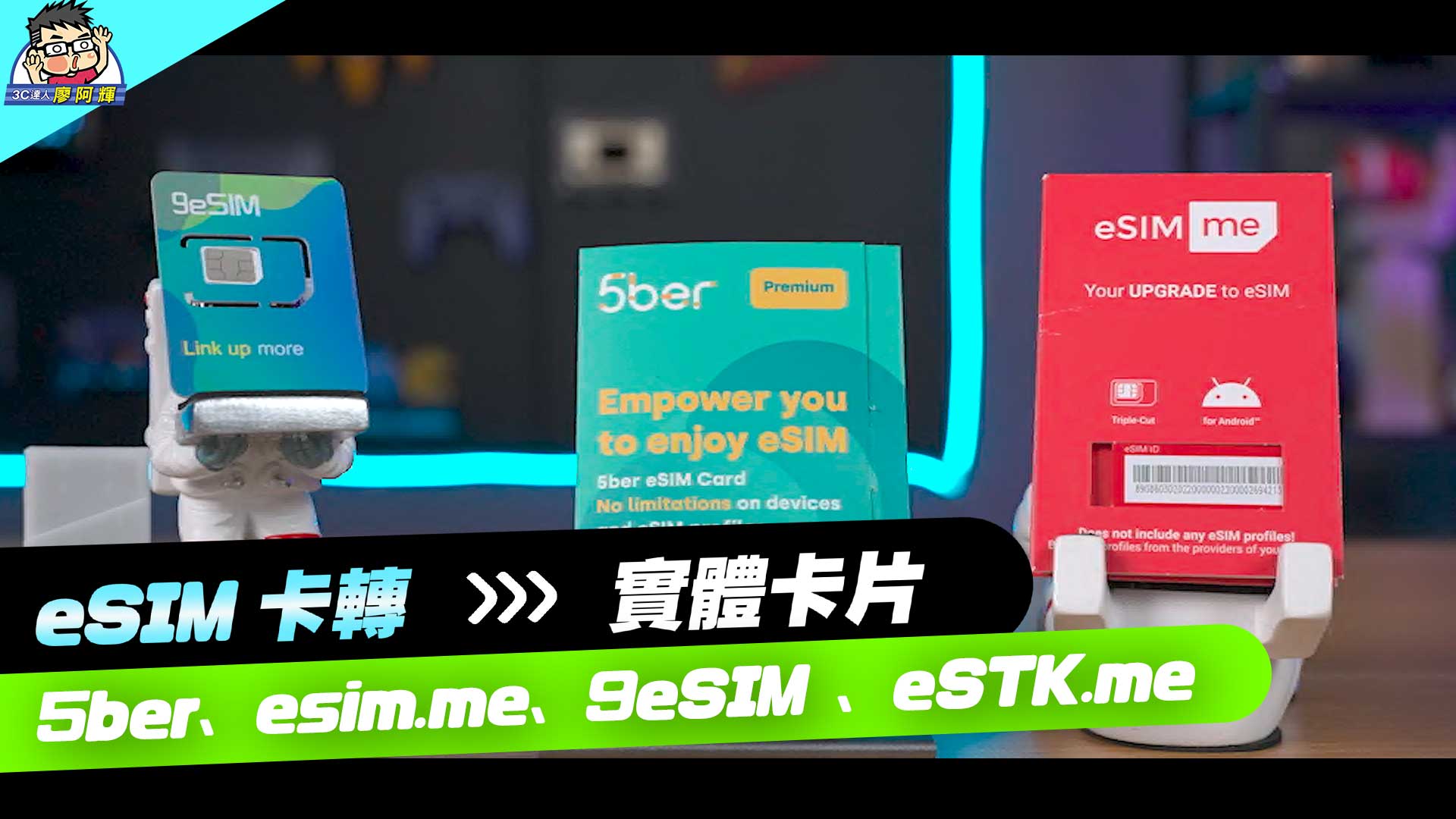
An eSIM lets you juggle multiple lines without swapping physical cards, ideal for separating work, personal, and travel data. You can assign each line its own profile and toggle data usage per plan in your phone’s settings. For example, keep your home number active for calls while streaming via a high-speed local data plan abroad. How do you quickly switch data sources? Most devices let you set a primary line for voice and another for data, with a simple dropdown menu to change default data mid-trip. This seamless control eliminates juggling SIMs, giving you dynamic, on-demand management of your connectivity mix.
Keeping Work and Personal Numbers on One Phone
Keeping work and personal numbers on one phone with an eSIM eliminates the need for a second device. You activate your primary line on the physical SIM, then download a second line—typically for work—directly as an eSIM. This setup allows you to toggle between profiles in settings, keeping calls and messages separate. eSIM dual-line management ensures you never miss a client call after hours, while your personal number stays private. Dual-SIM mode lets you assign specific contacts to each profile, streamlining your day without carrying two phones.
Q: Can I keep work apps and notifications completely isolated from personal ones on an eSIM?
A: Yes—most phones let you set separate ringtones and data preferences per eSIM profile, and some Android devices support “Work Profile” for app-level isolation, ensuring no accidental overlap.
Adding Temporary Data Packs for International Trips
When traveling abroad, you can instantly add a regional data pack to your existing eSIM profile without swapping physical SIMs. Simply open your carrier’s app or eSIM dashboard, select a destination-specific plan (e.g., 5GB for Europe), and pay via digital wallet. This temporary top-up auto-activates upon arrival, allowing you to keep your primary number for calls while routing temporary data packs for international trips to your roaming line.
Q: Can I add a temporary data pack mid-trip?
A: Yes—most eSIM platforms let you purchase and activate a pack instantly while abroad, often within seconds via Wi-Fi or a backup connection.

Deleting or Transferring Profiles Between Devices
When managing multiple lines, deleting an eSIM profile frees up device storage, while transferring involves scanning a new QR code or using the carrier’s app to re-download the profile. Unlike a physical SIM, eSIM profile portability means you can move a data plan between devices without needing a new card; however, the original device’s profile must be erased first. Before transferring, always confirm the new device is unlocked and compatible. Profile re-provisioning via the carrier is often required if the QR code is lost. Q: Can I keep my old eSIM active while moving it to a new phone? A: No, the profile typically deactivates on the source device once the transfer process begins.
Troubleshooting Common eSIM Issues
When an eSIM card isn’t working, first ensure your device’s software is fully updated, as compatibility often depends on the latest OS. If you see “No Service,” double-check you’ve installed the right profile—scan the QR code again or manually enter the activation details. For persistent troubleshooting common eSIM issues, toggle airplane mode on and off or reset network settings, which clears profile glitches without deleting your data. If the profile disappears, contact your carrier to reissue a new QR code or activation code. Rebooting your phone often fixes temporary detection errors, and avoid switching SIMs too rapidly to prevent profile conflicts.
Dealing With Activation Failures and Network Drops
When an eSIM activation fails, first double-check that your device is unlocked and network compatibility is confirmed. Re-scanning the QR code or manually entering the activation details often resolves immediate errors. For persistent network drops, toggle Airplane Mode for 30 seconds to force a fresh registration with the carrier. A reboot may also clear software-level conflicts that degrade signal stability.
- Verify Wi-Fi connectivity during activation, as some eSIM profiles require a stable data connection to download.
- Remove and re-add the eSIM profile from the device’s mobile network settings.
- Confirm your carrier’s specific APN settings are correctly entered for data and MMS.
What to Do When You Switch Phones or Lose Access
When switching phones or losing access to your device, your eSIM is not permanently tied to the hardware. First, check if your carrier allows an eSIM transfer via their app or website by scanning a new QR code. If you lost the original QR code, log into your carrier account to download a **replacement eSIM profile**. If you cannot access your old phone, contact your carrier’s support to deactivate the old profile and issue a new activation code. For a smooth transfer, follow these steps:
- Erase the eSIM from your old device (if possible) through its settings.
- Install the new eSIM on your new phone by scanning the QR code or entering the activation details.
- Reactivate the line in your device’s cellular settings.

How to Backup and Restore Your Mobile Settings
Before troubleshooting an eSIM issue, back up your mobile settings to preserve the eSIM profile and its configuration. On most devices, navigate to Settings > Accounts & Backup (or System) and select Backup & Restore Mobile Settings. This captures the eSIM activation data, network preferences, and APN details. To restore, after a reset or device change, use the same menu to select “Restore” from your saved backup. For iPhones, ensure iCloud backup is enabled, as eSIMs are included. For a precise sequence:
- Go to Settings and locate the backup menu (e.g., “Backup and Reset” on Android).
- Enable backup of SIM/eSIM settings and confirm the process completes.
- To restore, open the same menu and choose the backup file, then verify the UK eSIM eSIM activates by checking for a signal.
Future Trends Beyond the Physical Card
The future beyond the physical card means your eSIM will seamlessly merge with other embedded identities. Instead of swapping SIMs, you’ll simply download integrated travel and device profiles that auto-switch based on your location or activity. Imagine your eSIM sharing data with a digital car key or a smartwatch’s cellular plan, all managed from a single app. This shift eliminates the need for a plastic card entirely, turning your device into a pure flexible connectivity hub that updates over the air without a trip to a store.
Integration With IoT, Smart Cars, and Connected Gadgets
eSIM transforms everyday objects into always-connected devices. Your smart car can automatically switch between home, work, and roaming carrier profiles for seamless navigation and emergency calls, while a connected fridge orders groceries over an embedded eSIM without a phone nearby. For IoT sensors, eSIM enables remote profile swapping across global networks, eliminating physical SIM swaps. Embedded connectivity in smart devices means gadgets like fitness trackers or smart locks activate instantly. How does eSIM improve a smart car’s functionality? It allows the vehicle to download a temporary local data plan for infotainment or diagnostics when crossing borders, all managed remotely without a physical card.
Potential for Global Carrier Competition and Lower Costs
An eSIM eradicates the physical and contractual lock-in to a single provider, forcing carriers to compete on price for your data plan. You can instantly compare and switch between global operators from your device, hunting for the cheapest local or roaming rates. This mobile network agility directly drives down costs, as carriers must offer competitive per-gigabyte pricing to retain users who can leave with a few taps.
eSIMs enable dynamic carrier switching, compelling global price competition that lowers user data costs.
Privacy and Regulation Challenges on the Horizon
As eSIM adoption grows, user data sovereignty faces practical hurdles. You may lose control over which carrier profiles are pre-loaded on your device, raising concerns about silent data collection by embedded profile managers. Regulation challenges emerge when switching carriers across borders; differing local data retention laws could force your eSIM to hold identifying information longer than necessary. A neutral third-party verification system for profile deletions is not yet standard, risking residual personal data on old profiles.
How can I verify my eSIM profile has been fully removed from a carrier’s system? Currently, no unified consumer tool exists; you must request a written confirmation from the carrier and check your device’s available profile list for any locked remnants.

